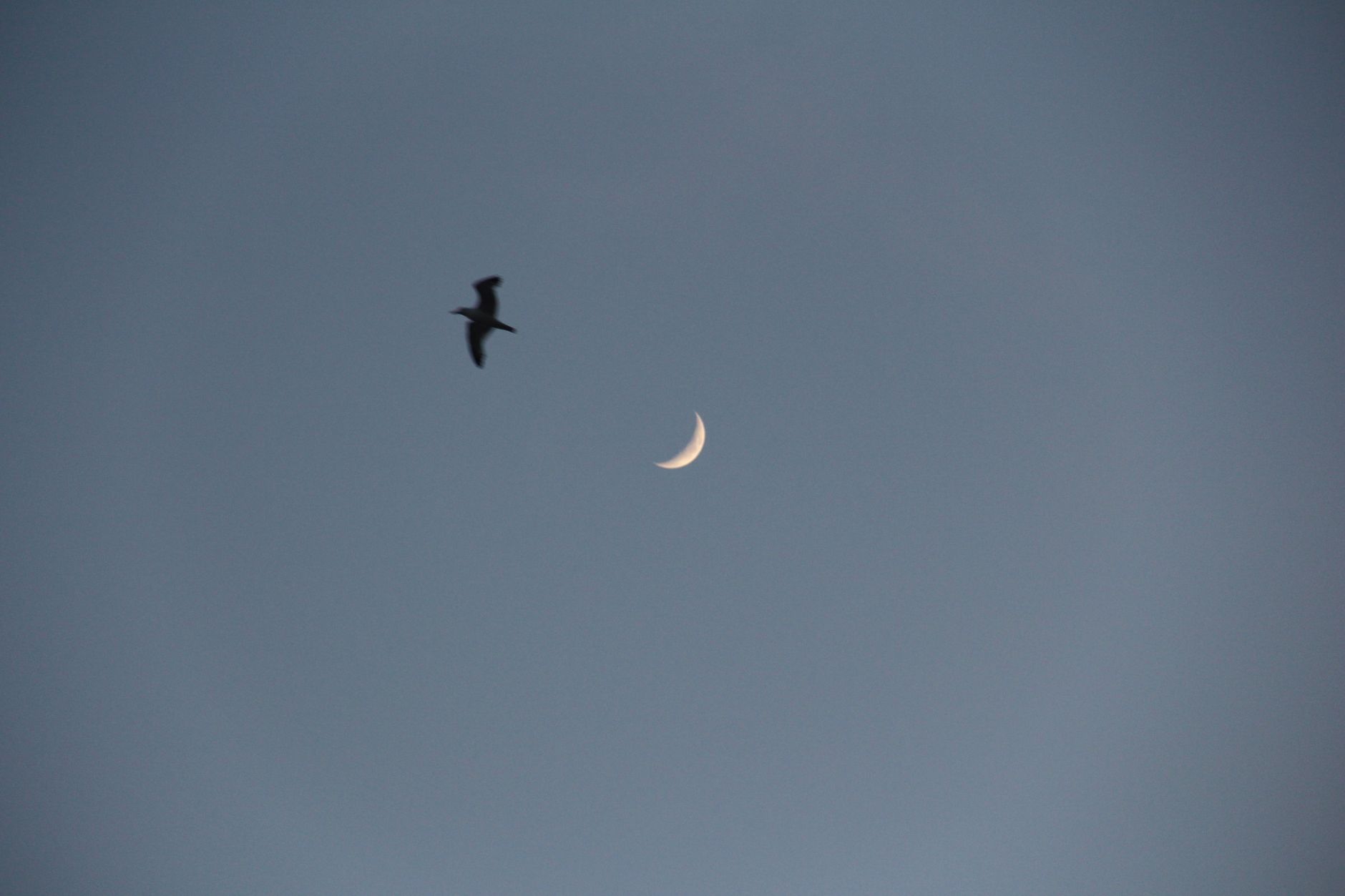
Dreaming about flying often points to freedom, confidence, and a new perspective. Rising above the ground can mirror a time when you feel unstoppable, when a weight has been lifted, or when you can finally see a situation from above. Flying can also reflect a wish to escape something that feels heavy. Whether you soared with ease or struggled to stay in the air usually tells you which.
What does it mean to dream about flying?
Flying is one of the most joyful dream experiences, and one of the most layered. A few meanings come up often:
- Freedom. Leaving the ground behind can echo release from rules, pressure, or a situation that has held you back.
- Confidence and power. Flying at will may reflect a sense that you are in charge of your life, or that you have recently overcome something.
- Perspective. From above, problems look smaller. The dream may arrive when you are gaining a wider view of a situation.
- Escape. Sometimes flying is less about joy than about getting away from a conflict, a duty, or a feeling.
Common flying dream variations
What does flying easily and freely in a dream mean?
Soaring without effort often reflects a high point: confidence, relief, creativity, or a sense that things are going your way. Many dreamers wake from these dreams feeling energized. Notice where you flew to, since your direction may hint at what you are reaching for.
Why do I struggle to fly or stay in the air in dreams?
Flapping hard, dipping, or barely rising may mirror effort that doesn't seem to pay off, or obstacles that keep pulling you down. It can also reflect self-doubt: a part of you wants to rise, another part isn't sure you can.
What does flying too low in a dream mean?
Skimming just above rooftops or treetops, unable to climb higher, may reflect ambitions held back by caution, fear, or circumstances. Power lines and branches in the way often echo specific obstacles you face.
What does flying too high in a dream mean?
Climbing so high that you feel dizzy or afraid may reflect rising faster than you feel ready for, such as a promotion, a new relationship, or sudden attention. If you started to fall, the dream may echo a fear of losing what you have gained.
What does flying away from danger in a dream mean?
Taking off to escape a pursuer, a flood, or a fight may reflect a wish to get away from a stressful situation. It can also show resourcefulness: you found a way out when running wasn't enough.
What does it mean to fly with someone in a dream?
Sharing the sky with a partner, friend, or family member may point to a relationship that feels uplifting, or a shared project that is taking off. If you were carrying them, the dream may reflect responsibility for their well-being.
What does flying over water in a dream mean?
Water in dreams is often linked to emotion. Flying over calm water may suggest you are at ease with your feelings, while flying over a stormy sea may reflect rising above emotions you don't want to deal with yet.
What does flying in an airplane in a dream mean?
Traveling by plane rather than on your own may reflect progress that depends on others or on circumstances. A smooth flight may mirror a transition going well; turbulence or delays, anxiety about a change.
What does a plane crash mean in a flying dream?
Dreaming about a plane crash is common and frightening, but it does not predict a real crash. It may reflect plans or hopes that feel at risk, or fear that something you have invested in will fail. If you survived, the dream may point to resilience.
What does floating or levitating in a dream mean?
Drifting gently off the ground, without the speed of real flight, may reflect a sense of detachment or calm, as if you are rising slightly above daily worries. It can feel peaceful or unsettling. If you couldn't come back down, the dream may echo feeling disconnected from the people or routines that usually ground you.
What does it mean to have wings in a dream?
Growing wings, or flying like a bird, often reflects a transformation, a new ability, or a sense of spiritual lightness. For some dreamers, it carries a feeling of protection or calling.
What does it mean to know you're dreaming while you fly?
Flying is one of the most common experiences in lucid dreams, where you realize you are dreaming. Many lucid dreamers describe choosing to take off as one of the first things they try, and the experience is often remembered as exhilarating.
The emotions to notice
Most flying dreams are remembered for their feeling. Joy and exhilaration may point to liberation or a high point in your life. Calm may suggest you are gaining perspective. Fear of heights may reflect worry about success, visibility, or responsibility. Frustration at not being able to fly well may echo a goal that feels just out of reach. If the feeling changed during the dream, for example from joy to panic, notice the moment it shifted.
Questions to ask yourself
- Where in my life do I feel free right now, or wish I did?
- What would I like to rise above?
- Was I flying toward something, or away from something?
- Did anything stop me from climbing higher?
- Who was with me, and what role do they play in my life?
How traditions have read flying
The longing to fly runs through myth, scripture, and spiritual practice. These are traditional ways of reading the symbol, not predictions about your life.
In the Bible, flight is often an image of strength and refuge. Isaiah promises that those who wait upon the Lord "shall mount up with wings as eagles," and a psalm sighs, "Oh that I had wings like a dove! for then would I fly away, and be at rest." Christian dream readers often see a flying dream as renewed strength or spiritual uplift, and sometimes as a longing for peace.
In Greek myth, Icarus escapes with his father on wings of wax and feathers but flies too close to the sun and falls. His story gives flying dreams a second edge: freedom, but also the risk of overreaching.
In shamanic traditions described by scholars such as Mircea Eliade, the soul's flight is a central image, a journey beyond the body to gain knowledge or healing. Readers drawn to this view may see flying dreams as moments of inner exploration.
In Hindu tradition, the god Vishnu rides Garuda, a great bird associated with speed, strength, and protection. In that spirit, flying may be read as being carried by something larger than yourself.
Why do I keep dreaming about flying?
If you often dream of flying, notice how your flights change: do they get easier, higher, freer? Some dreamers find that flying dreams return during periods of growth and fade during periods of stress. A dream journal, like the one in the Interpret My Dream app, can help you see those rhythms. And if you took flight in a dream recently, tell your own dream below for a free reading.